
湿式花生去皮机
湿式花生去壳机是一种专业设备...
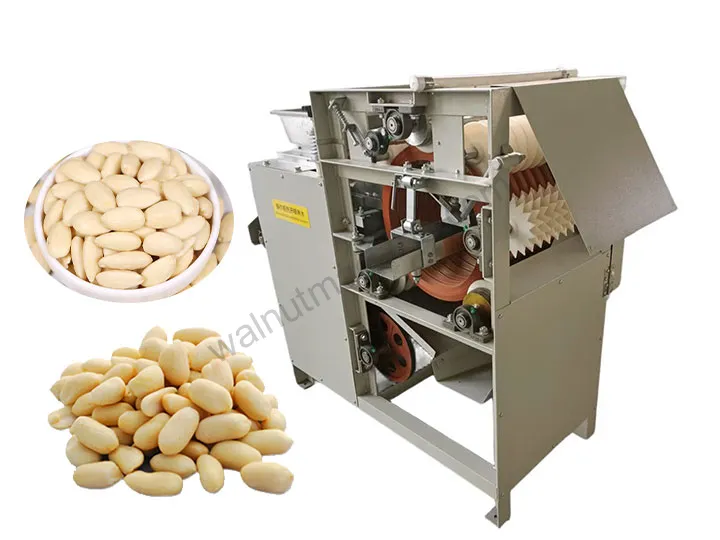
湿式花生去皮机是一种专门设计用于温和高效去除浸泡花生红皮的设备。与干式去皮机不同,这种湿法通过温水浸泡软化皮肤,然后用柔软的橡胶辊去除,达到干净去皮且花生仁损伤最小的效果。这使得该机非常适合需要高品质、完整且光滑花生仁的食品加工企业。
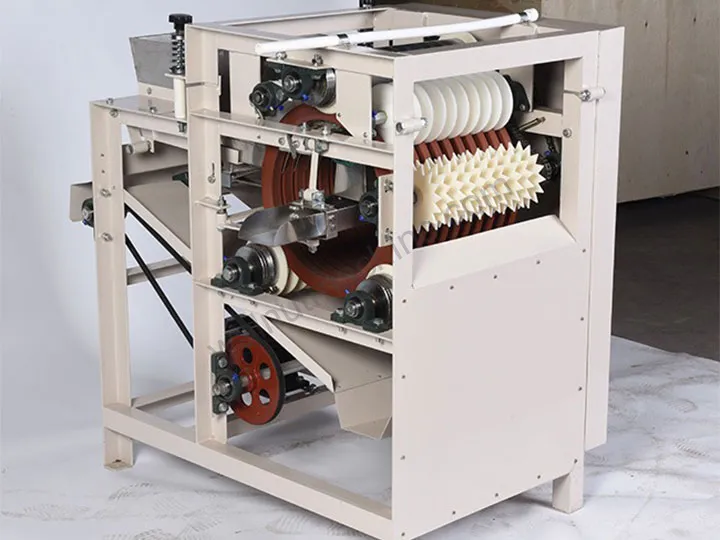
湿式花生去皮机的主要优点
使用湿式花生皮去除机具有多项优势:
- 高去皮率: 通常92%–98%。
- 破碎率低,完整仁率高: 破碎率约为2%–3%,完整仁占85%–90%。
- 干净光滑的去皮仁: 花生保持白净整齐,适合高品质食品加工。
- 自动皮仁分离: 无需人工分拣,提高效率。
- 应用范围广: 不仅适用于花生,也适用于大豆、杏仁、鹰嘴豆、青豆及其他坚果和豆类。
- 结构简单,能耗低: 操作和维护简便,非常适合中小型食品加工厂。
由于这些优点,湿式去皮机被广泛应用于花生油厂、花生仁加工厂、休闲零食生产线、花生饮料生产商等。
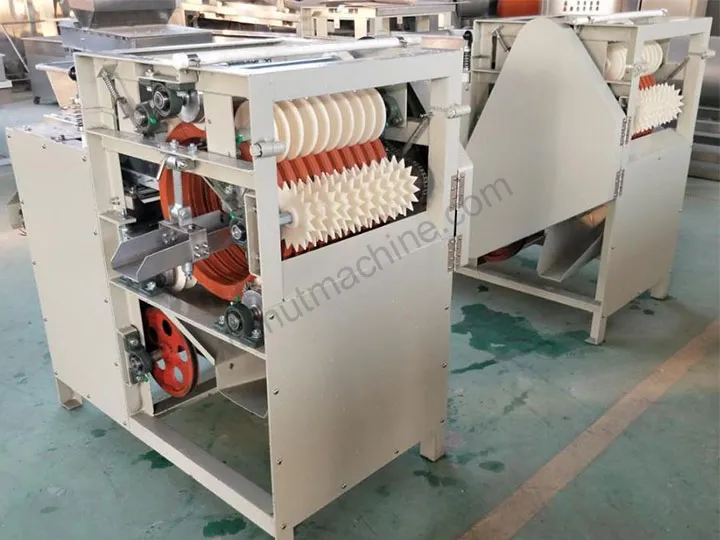
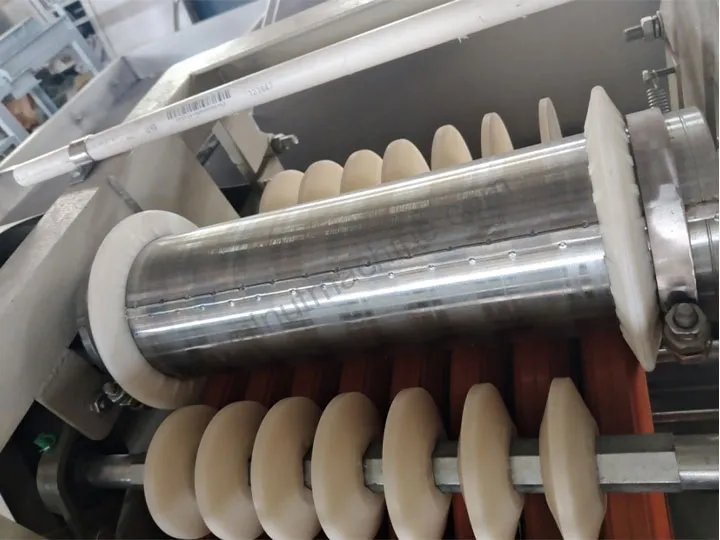
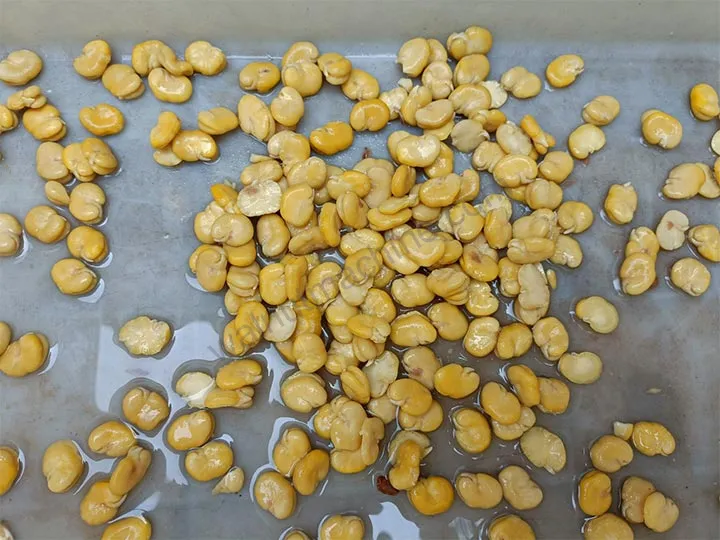
工作原理:湿式花生去皮机的操作方式
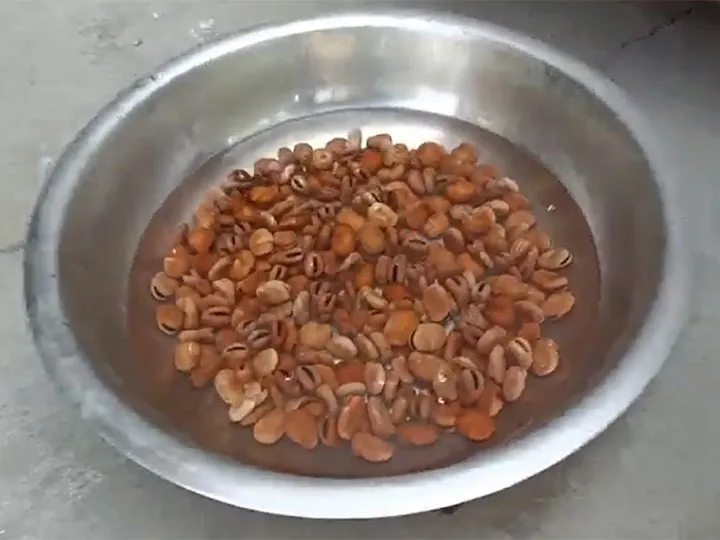
第1步:浸泡
花生在温水或热水中浸泡数分钟。这软化了红皮,并在皮与仁之间形成了微小的间隙。
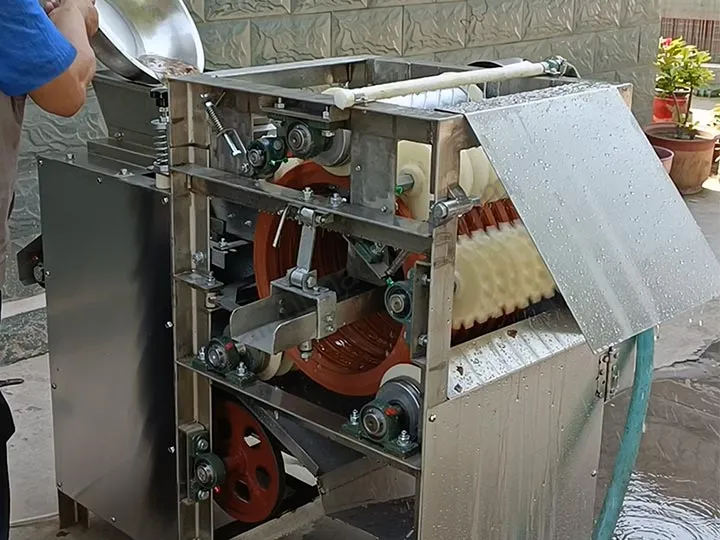
第2步:投料
浸泡过的花生(带少量水)倒入投料斗。振动或导向结构将其送入去皮区。
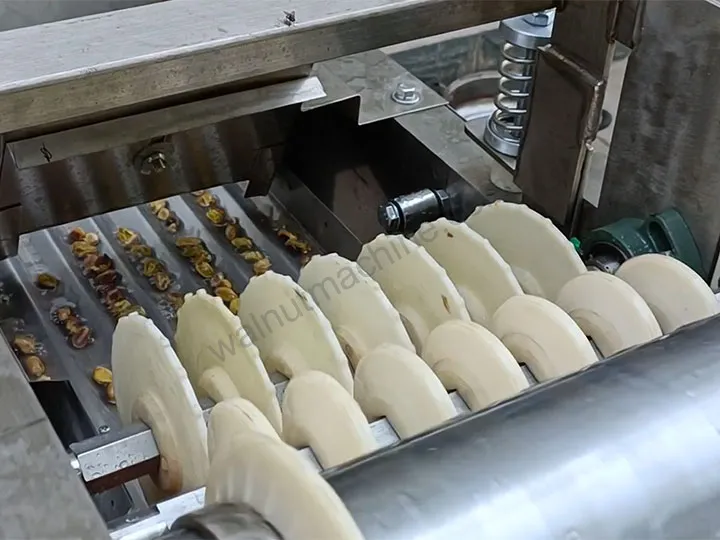
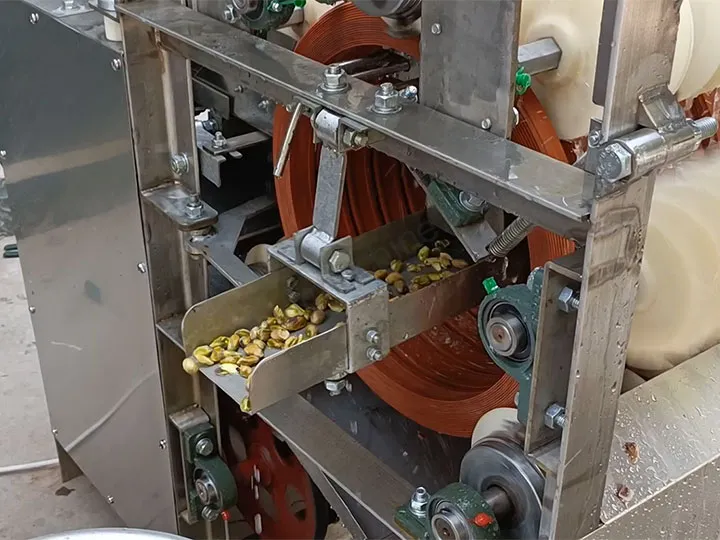
第3步:橡胶辊去皮
软橡胶辊以控制速度旋转,轻柔地去除皮肤而不损伤仁
第4步:自动排放与分离
去皮后,去除的皮通过一个出口排出,而去除的皮通过另一路径分离排出。
花生去皮机如何处理各种坚果?
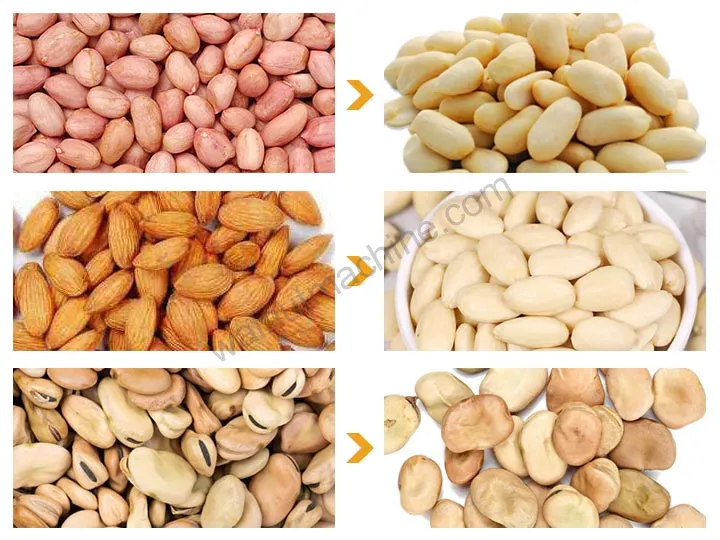
湿式花生去皮机还可以处理各种豆类和坚果
除了花生外,湿式花生去皮机也适用于去除多种浸泡坚果和豆类的皮。它可以高效地用相同的橡胶辊去皮方法去除杏仁、大豆、鹰嘴豆、蚕豆、绿豆和扁豆的皮。这些材料只需提前浸泡,便于加工者用一台设备处理多种产品,轻松扩大产能。
典型技术参数
以下是常见的湿式花生去皮机型号的规格参数:
| 范围 | 范围 |
| 容量 | 每小时100–150公斤或200–250公斤 |
| 剥离率 | 92%–95% |
| 整仁率 | 85%–90% |
| 破损率 | 2%–3% |
| 尺寸(典型) | 尺寸约为1180 × 720–850 × 1100毫米 |
湿式花生皮去除机的应用
该机广泛应用于以下加工领域:
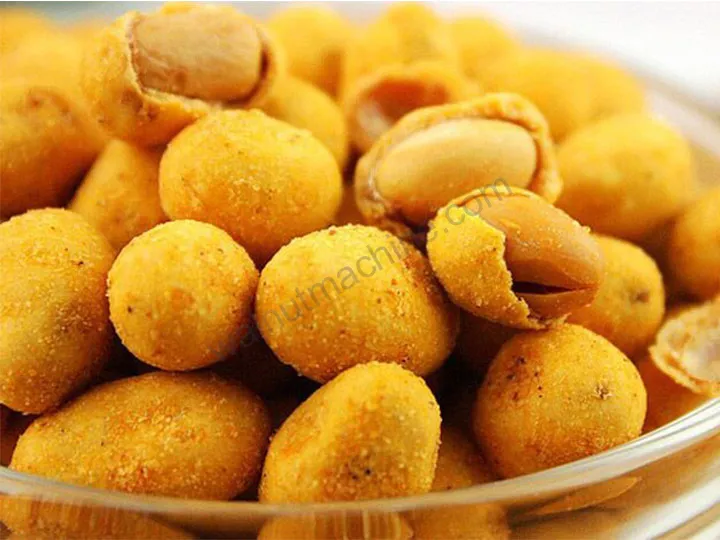
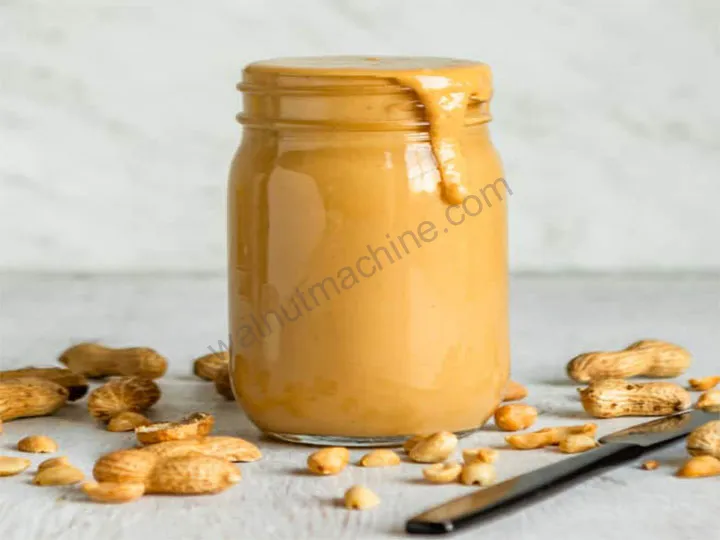
- 花生深加工:花生仁、花生酱、花生油、花生粉、花生奶
- 休闲零食生产:炸花生、裹粉花生、调味花生
- 坚果和豆类去皮:杏仁、大豆、鹰嘴豆、蚕豆、绿豆
- 适用于小作坊到工业工厂的各种生产规模
联系我们获取定制去皮方案
如果您计划升级您的坚果或豆类加工线,湿式花生去皮机可以为各种产品提供可靠的性能。无论您处理花生、杏仁、大豆或其他浸泡材料,我们都可以根据您的产能和应用需求帮助您选择合适的型号。
欢迎随时联系我们获取详细信息、技术支持或个性化报价。我们的团队将很高兴为您的生产需求提供合适的解决方案。